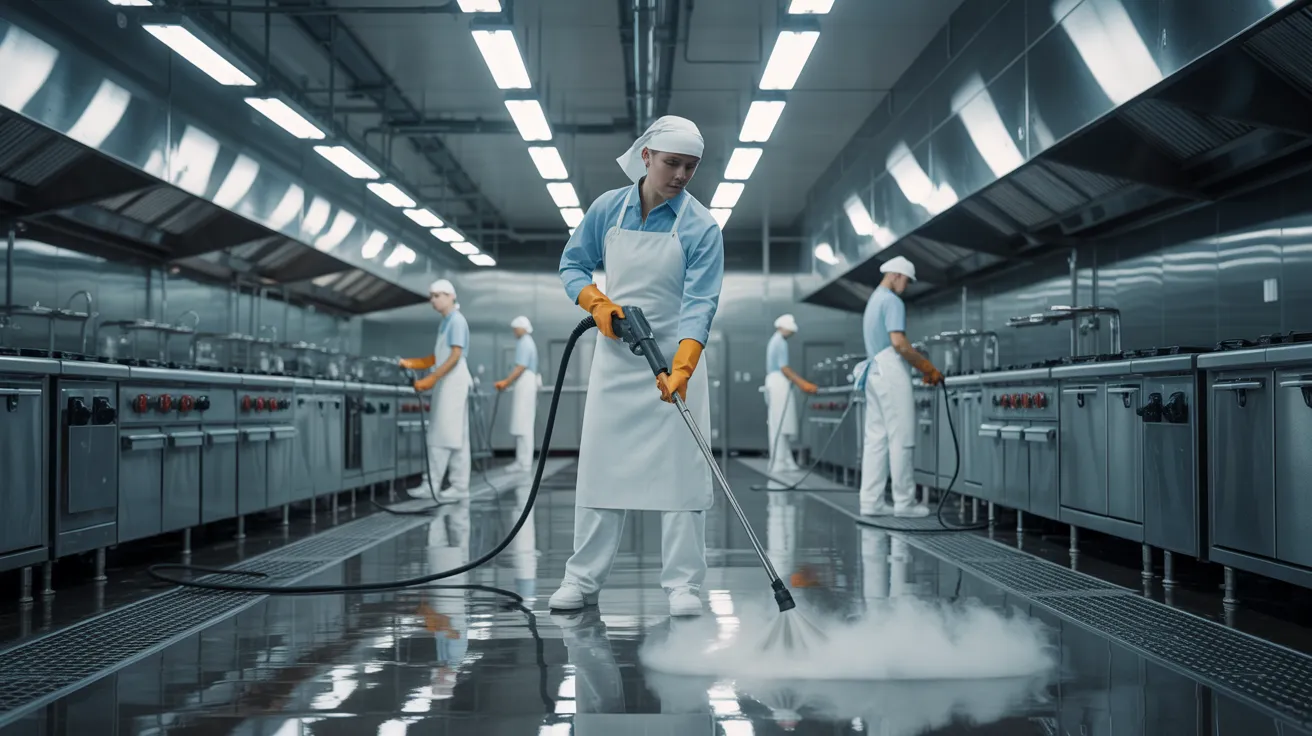
Professional food safety experts located in Brampton ensure food service establishments, commissaries, baking enterprises, warehouses, and food service vehicles in compliance. They disinfect frequently handled areas, food-contact areas, equipment, floors, drains, restrooms, and preparation zones using approved sanitizers, at proper strength, and with verified times.
Essential Summary
- Brampton sanitation experts support restaurants, grocery departments, commissaries, warehouses, bakeries, schools, mobile vendors, and allergen-sensitive operations.
- They disinfect high-touch surfaces, food-contact equipment, kitchens, floors, drains, restrooms, and storage areas using area-specific procedures to avoid cross-contamination.
- Confirmation of proper chemical concentration, compatibility, and contact time is completed by certified providers, with conclusion documented using swabs, assessments, and corrective-action records.
- Risk, production volume, format changes, spills, and requirements should guide sanitation plans, with regular, periodic, and annual activities designated by area.
- Emphasize contractors demonstrating HACCP, sanitation knowledge, WHMIS instruction, protection, endorsements, colour-coded equipment, and audit-ready cleaning files.
Food Safety Cleaning Requirements for Brampton Venues
Food safety cleaning is mandatory for any Brampton facility that handles, maintains, prepares, packages, or offers food. Apply it to your operation if it meets the criteria for public health review, food regulations, or HACCP protocols. This includes restaurants, cafeterias, commissaries, grocery food departments, butcher shops, seafood counters, convenience stores, and institutional kitchens.
You'll furthermore need proper hygiene protocols in distribution warehouses, production plants, frozen storage areas, commercial bakeries, educational meal programs, banquet venues, and food delivery services. Mobile and temporary operations are included, like catering trucks, festival vendors, and pop-up food booths. Should your workers process ingredients, portion ready-to-eat items, reheat products, or store allergens, your facility requires documented cleaning protocols. In Brampton, cleanliness stays necessary; it comprises lawful, operational, and customer protection standards.
What Services Do Brampton Cleaning Experts Provide?
You need skilled cleaning experts who sanitize frequently touched areas, cooking areas, flooring, and restroom facilities to ensure compliance with food safety and health standards. These locations are prioritized because they carry the greatest contamination risk, slip and fall dangers, and health code violations.
When you understand what they clean, you can ensure your operation's cleaning procedures satisfy compliance and operational standards.
Key High-Touch Surface Disinfection
establish how periodically each zone is sanitized
establishing unidirectional patterns, and keeping separate cleaning tools according to zone
Food Prep Areas, Flooring, and Sanitary Facilities
Professional cleaners in Brampton prioritize kitchens, floors, and restrooms given that each location involves distinct food safety, falling hazards, and health code requirements. In industrial kitchens, you need degreasing on cook lines, equipment exteriors, drains, prep surfaces, and splash zones to reduce bacterial growth and pest activity.
Professional floor upkeep with documentation is also included. is also provided as part of the service.
In restrooms, cleaners disinfect touchpoints, fixtures, partitions, dispensers, and waste containers then refill supplies and eliminate odor. They also service restaurant moprooms, where chemical storage, sink hygiene, and drainage conditions can affect sanitation compliance and staff safety daily.
Why Food Safety Cleaning Matters in Brampton
In Brampton, you must copyright sanitary cleaning practices to satisfy health code requirements and achieve compliance. You also minimize cross-contamination by cleaning and sanitizing food-contact surfaces, equipment, and high-touch areas correctly. Most importantly, you safeguard community wellness by reducing the chance of food poisoning in your establishment.
Sanitary Standards Adherence
Brampton food businesses must comply with stringent health requirements, so sanitation practices is vital to fulfilling health codes, ensuring the safety of customers, and avoiding penalties. You must maintain sanitary food-contact surfaces, written maintenance records, appropriate product handling, and traceable training practices that meet municipal and provincial inspection expectations.
Comprehensive cleaning measures assists in preventing allergen issues by decreasing contaminants buildup on mutual appliances and frequently touched surfaces.
Cross-Contamination Prevention
Following regulatory requirements depends on your ability to prevent cross-contamination in routine food work and sanitation. You must separate raw ingredients from ready-to-eat foods, sanitize prep surfaces between tasks, and store chemicals away from food-contact items. Clear procedures reduce transfer risks and support consistent compliance during inspections.
You should establish allergen separation to prevent major allergens from touching shared surfaces, containers, or equipment. Use dedicated cutting boards, color-coded tools, and careful equipment identification so staff don't mix items throughout cooking or serving. Require handwashing after handling raw meat, seafood, eggs, or allergen-containing products. Replace wiping cloths regularly, and verify sanitizer strength with test strips. When you train staff to follow these controls every shift, you create a cleaner, safer operation that satisfies Brampton's safety standards daily.
Community Health Safety
Should cleaning standards break, you don't simply encounter inspection problems—you expand the odds of contamination-related sickness harming customers, staff, and the wider Brampton population. You also undermine your responsibility in protecting public health, especially in busy food facilities where pathogens travel quickly through surfaces, equipment, and touchpoints.
You must implement cleaning procedures that remove soils, effectively sanitize, and ensure effectiveness. This involves maintaining exposure times, utilizing authorized sanitizers, maintaining records, and coaching staff to fulfill health-unit expectations. These initiatives promote disease prevention by reducing microbes before affecting food surfaces or hands. In Brampton, robust sanitation shields vulnerable populations, curtails outbreak likelihood, and demonstrates accountability. When you maintain standards, you go beyond regulations—you substantially reduce risk and promote secure food service throughout the city.
Why Is Cleaning Essential for Food Safety Compliance?
Maintaining comprehensive cleaning schedules strengthens food safety compliance by decreasing contamination threats, controlling pathogen growth, and keeping your facility compliant with sanitation requirements under HACCP-based programs and public health regulations. You ensure that product-contact areas stay visibly clean and microbiologically controlled, backing documented preventive controls and inspection readiness.
Effective cleaning also enhances allergen mitigation by removing residues that can lead to undeclared allergen exposure. by extracting residues that can provoke undeclared allergen exposure.
What's the Right Time to Plan Commercial Cleaning?
food-contact surfaces, bathrooms, and high-touch areas
schedule cleaning right before and following for effective event transition.
Selecting the Right Brampton Cleaning Experts: Key Considerations
Start by screening providers against food sanitation standards, not cost only. You should verify that each company understands CFIA, public health, and HACCP compliance standards relevant to your facility. Ask for insurance documentation, WHMIS compliance, documented staff training, and supervision practices. Review whether technicians understand contamination prevention, chemical handling, and traceable sanitation records.
You must also evaluate business consistency and accountability. Seek references from food facilities in Brampton, then assess response speed, corrective-action procedures, and communication quality. Ensure the company supports supplier audits and can provide inspection-ready documentation when authorities or third parties demand verification. Verify equipment is maintained, colour-coded tools are deployed correctly, and site-specific hazards are understood. A reputable service protects compliance, product safety, and your market standing.
What's included in a Food Safety Cleaning Plan?
Document a plan that outlines every sanitation task, standard, and responsibility before starting production. You should include cleaning schedules, approved products, ratios, contact periods, tools, and validation approaches for each zone, surface, and piece of equipment. Ensure you include pre-operational inspections, corrective actions, find out about this and employee training requirements.
Your plan should also tackle cross-contamination controls, waste handling, pest-prevention measures, and documented schedules for facilities, drains, flooring, and food-preparation surfaces. Specify how you'll distinguish between uncooked and prepared items, facilitate ingredient tracking, and maintain accurate allergen labeling through validated cleaning between product changes. You should establish accountability, keep signed records, and evaluate results against regulatory standards, HACCP controls, and customer requirements. When gaps appear, modify procedures immediately and retrain staff.
Commonly Asked Questions
Are sanitation providers available for overnight shifts in Brampton facilities?
If you operate controlled facilities, you'll also need documentation that enable audits and ensure quality assurance.
Will Brampton cleaning experts respond to emergency spills?
Yes, you can locate Brampton sanitation experts providing hazard containment options. They manage contamination, assess dangers, contain affected zones, and initiate rapid cleanup to reduce risk and prevent business disruption. You should verify response rates, credentials, safety protocols, and disposal methods. If your facility must adhere to regulations, pick a provider that documents events, adheres to standards, and supports verification.
Do plant-based disinfectants work safely on food-handling equipment?
In essence, eco-friendly disinfectants are safe for food-handling equipment provided you buy solutions certified for food use that satisfy regulatory compliant. Check application timing, concentration levels, and rinse requirements prior to application. Natural-based solutions reduce chemical hazards, although you need proof of efficacy against target microorganisms. For maintaining residue-free areas, stick to precise manufacturer instructions and confirm the disinfectant adheres to food sanitation requirements.
Do cleaning schedules permit seasonal shifts?
Without question, maintenance plans are highly adaptable for production fluctuations. Revise frequencies, staff levels, disinfectants, and confirmation procedures to match operational cycles while maintaining regulatory compliance. Minimize equipment downtime by scheduling disinfection amid equipment transitions, high demand periods, and operational patterns. Further modify standard operating procedures, training, and environmental testing to address temporary risks, novel allergens, or elevated soil levels. Regular reviews preserve the strategy current.
Will professional cleaning services train your staff on hygiene best practices?
Absolutely, commercial cleaners frequently provide employee education on hygiene standards. Your team receives instruction on correct chemical handling, dwell times, cross-contamination prevention, equipment disassembly, and documentation. They generally match guidance with HACCP, GMP, and CFIA or regional health authority requirements. Many conduct health inspections to verify compliance, pinpoint weaknesses, and reinforce corrective actions. This enables you to sustain consistent procedures, clear audits, and lower contamination dangers consistently.
Conclusion
By collaborating with Brampton food safety and commercial cleaning professionals, you aren't simply tidying—you maintain your facility compliance-focused and your practices in compliance. From kitchens to processing floors, every clean surface and maintained corner decreases contamination and prevents costly issues. By scheduling cleanings on the right schedule and adhering to a systematic cleaning protocol, you secure your team, customers, and your credibility. In a strictly regulated industry, clean spaces are mandatory—they're key to business compliance.
Comments on “Brampton Commercial Cleaning Pros”